Nobody playing world-class sport should be eating cold pasta at daybreak.
Yet that was Carlos Alcaraz on 9 September 2026. The furor around carlos alcaraz late matches exploded again on 24 September 2026 at The O2 in London, and the Spaniard is dead right. Finishing professional tennis matches at 3:33 a.m. isn't heroic folklore. It's pure administrative neglect masquerading as prime-time television. When you bet with friends on Grand Slam tournaments, you see the fallout instantly: circadian rhythms break, heavy favourites drop their legs, and your picks turn to dust.
It's madness.
The Carlos Alcaraz late matches timeline: How we reached 3:33 a.m.
Grand Slam chiefs didn't stumble into this scheduling disaster. They built it intentionally by loading evening sessions with two marquee fixtures.
- 9 September 2026 — Carlos Alcaraz falls to Ben Shelton at 3:33 a.m. EDT in 4 hours and 28 minutes, setting the tournament record for the latest finish in a report documented by The Guardian.
- 18 September 2026 — US Open officials defend the two-match night session format, arguing marathon play gives ticket holders maximum value while sidestepping curfew questions.
- 24 September 2026 — Ahead of the Laver Cup in London, Alcaraz calls on tennis chiefs to enforce an 11:00 p.m. cutoff across all majors in reports published by The Witness and SuperSport.
- 24 September 2026 — Alcaraz explains the physiological toll to The Witness, noting: "For an athlete finishing at 3:30 in the morning, it means we had to leave the courts at 4:30, then back to the hotel. You don't go to bed until 6:30 or 7 in the morning. To recover for the next match, the person you play has an advantage."
He didn't mince words.
The argument: Is midnight tennis great theatre or pure incompetence?
Tournament directors pretend late-night drama is tennis culture, but playing past midnight destroys competitive balance.
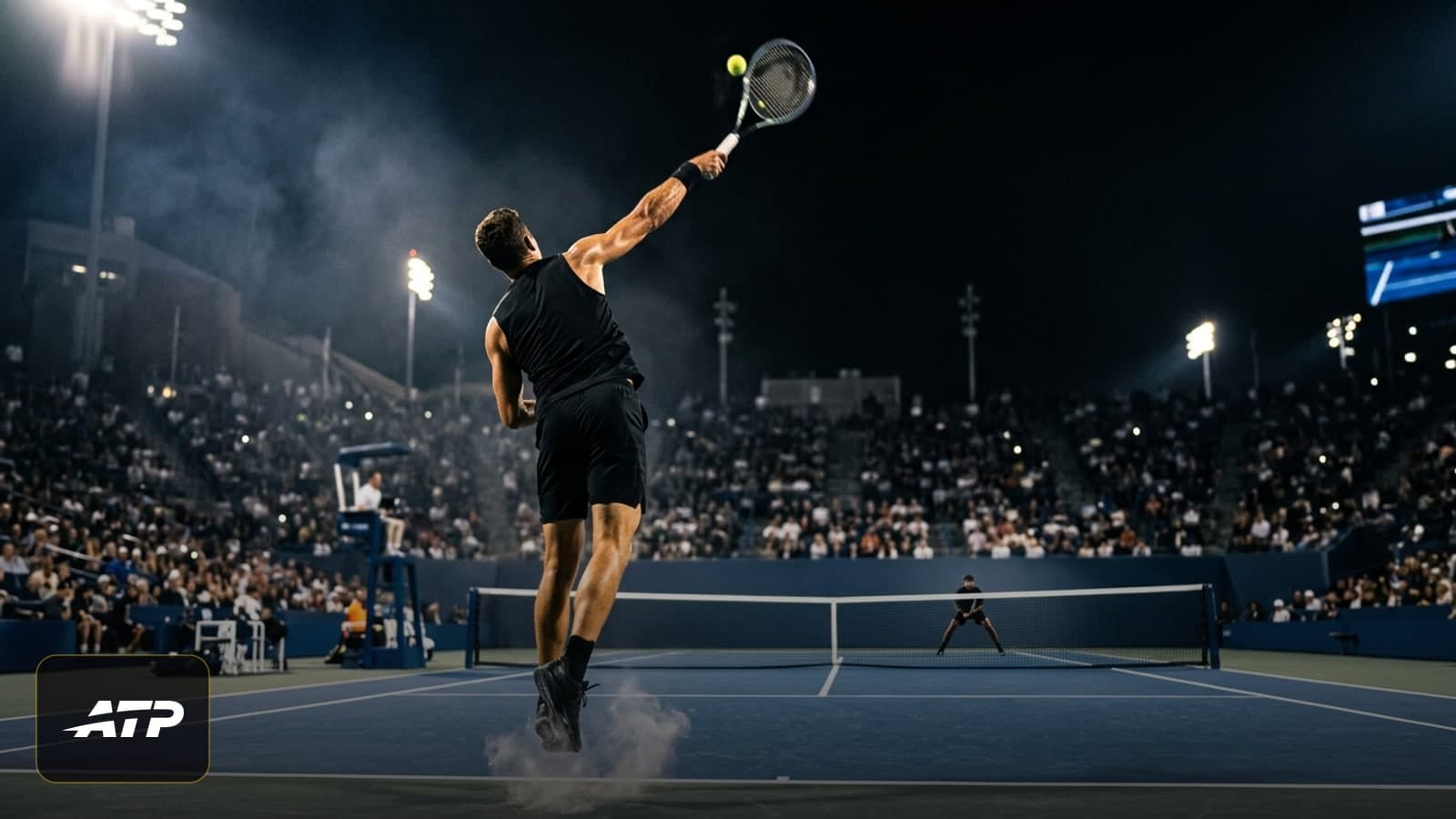
Promoters love selling the rowdy Arthur Ashe night session myth. They claim five sets under the floodlights prove elite athletic character. They don't mention the empty seats. Arthur Ashe holds 23,771 people. By the time Shelton hammered a 146 mph ace to seal match point at 3:33 a.m., roughly 30 percent of the stadium remained. Fans had to leave for the last subway home.
| Tournament | Enforced Curfew | Latest Recorded Finish | Session Structure |
|---|---|---|---|
| Wimbledon | 11:00 p.m. hard stop | 11:02 p.m. | Single ticket / play suspended |
| US Open | None | 3:33 a.m. (Shelton vs Alcaraz, 2026) | Two-match night session (starts 7:00 p.m.) |
| Australian Open | None | 4:34 a.m. (Hewitt vs Baghdatis, 2008) | Two-match night session |
| French Open | None | 3:07 a.m. (Djokovic vs Musetti, 2024) | Single-match night session (starts 8:15 p.m.) |
No other sport allows this.
Imagine UEFA staging a Champions League match where extra time starts at 2:15 a.m. Managers would lead their squads off the pitch. Wimbledon shows an 11:00 p.m. curfew works. Halting play at two sets each and resuming the next afternoon protects player biology and ensures fans actually watch the ending.
What it means for your picks: Spotting the graveyard trap
Backing stars after a 3:00 a.m. marathon is the easiest way to lose virtual points in your private prediction league.
Casual pickers only check tournament seeds. That's why they lose. Before the quarter-final in New York, our Shelton vs Alcaraz US Open prediction warned how Shelton's serving power could derail Alcaraz. The real lesson came in the subsequent round.
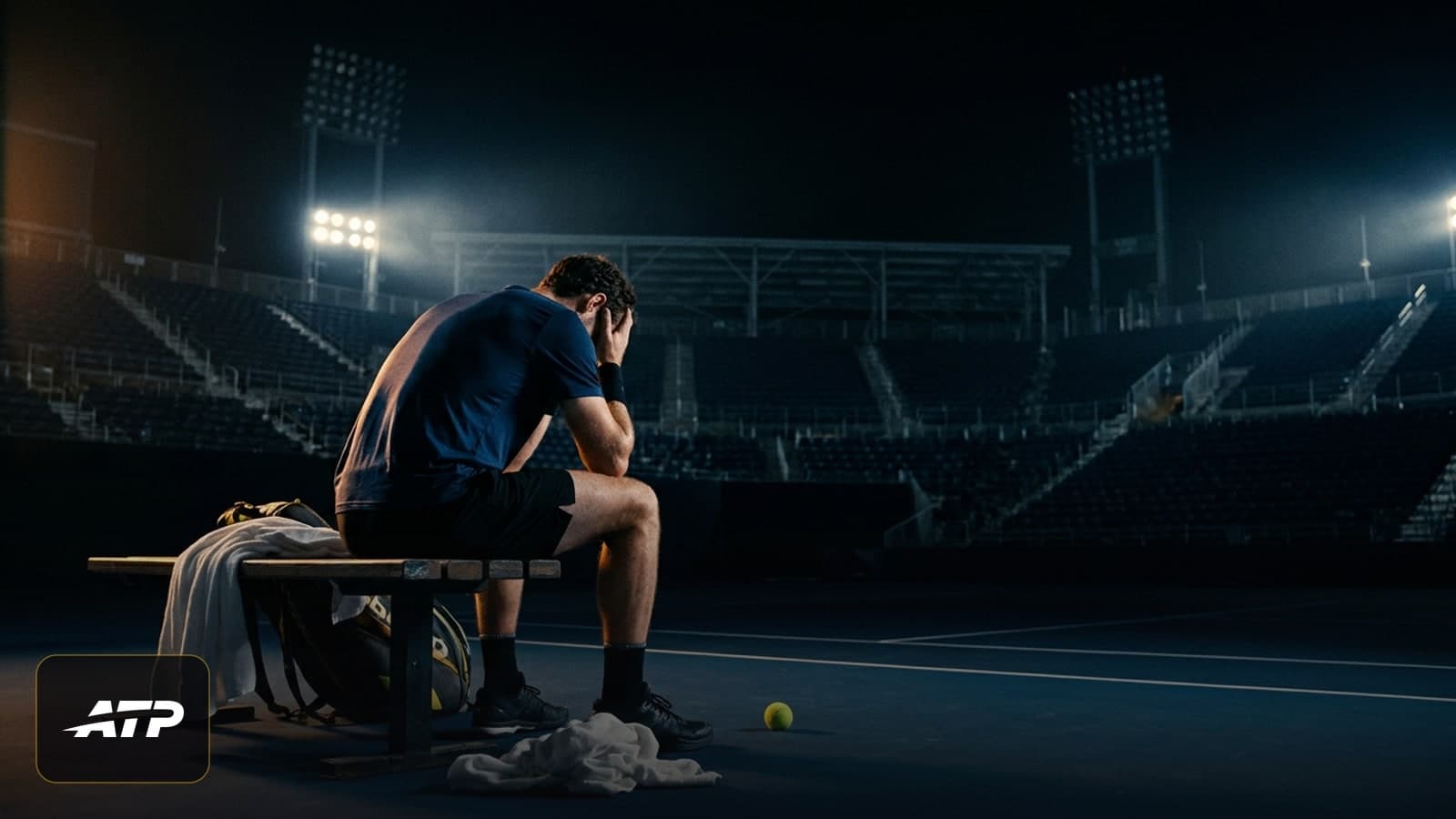
Shelton won at 3:33 a.m. on Wednesday. He fell asleep after sunrise. His deep sleep phases vanished. While he scrambled past his semi-final on pure adrenaline, his legs died in the final against Alexander Zverev. His nervous system ran out of gas.
Don't waste a Banker pick on any player coming off a post-midnight finish. Their reaction times slow down. Their muscles do not repair properly. That is where you bet against friends who rely strictly on world rankings. Under odds-weighted scoring, picking the fresher underdog creates immediate leaderboard separation.
At the Laver Cup at The O2 from 25 to 27 September, indoor scheduling limits these runaway delays. Alcaraz has sensible slots, meaning his physical baseline remains solid. Back Team Europe in early sessions with complete confidence.
The rest of the week in tennis
- Jannik Sinner, 21 September 2026: The World No. 1 targets a comeback at the China Open following a knee injury sustained after Wimbledon, according to Tennis Up To Date — rushing back onto hard courts with an unstable knee makes Sinner an obvious early trap.
- Spain BJK Cup Team, 23 September 2026: Sara Sorribes Tormo and Cristina Bucsa saved 18 of 20 break points to defeat Kazakhstan 2-1 and make their first semifinal in 18 years, via NBC Sports — a gut-check doubles escape before meeting Czechia on 25 September.
- Laver Cup Match Card, 24 September 2026: Day 1 schedules at The O2 confirm Casper Ruud meets Francisco Cerundolo in the singles curtain-raiser, via Laver Cup — clean indoor conditions favour Europe's heavy baseline pace.
Bottom line
Carlos Alcaraz late matches showed the world that midnight tennis is a toxic habit Grand Slams must abandon. If tournament directors won't stop play at 11:00 p.m., use their stubbornness to clean up on exhausted favourites. Create your own prediction circle on pickplay.bet, challenge your mates, and build your private leaderboard lead while everyone else backs sleepwalking stars.